Trump Accounts: Are you a new parent or expecting a little one? The buzz around “Trump Accounts” is real—it’s a new government-backed savings plan that gives babies a financial head start. Part of President Donald Trump’s “One Big Beautiful Bill Act” (signed into law on July 4, 2025), this program puts $1,000 from the federal government into a special account for eligible newborns. It’s like a trust fund starter kit, designed to grow over time for big life goals like buying a first home or paying for college. No income limits mean it’s open to all families, but there are simple rules to follow. In this easy guide, we’ll explain how it works, who qualifies, and the steps to claim your child’s $1,000. We’ll use the latest facts to help you get started without the confusion.
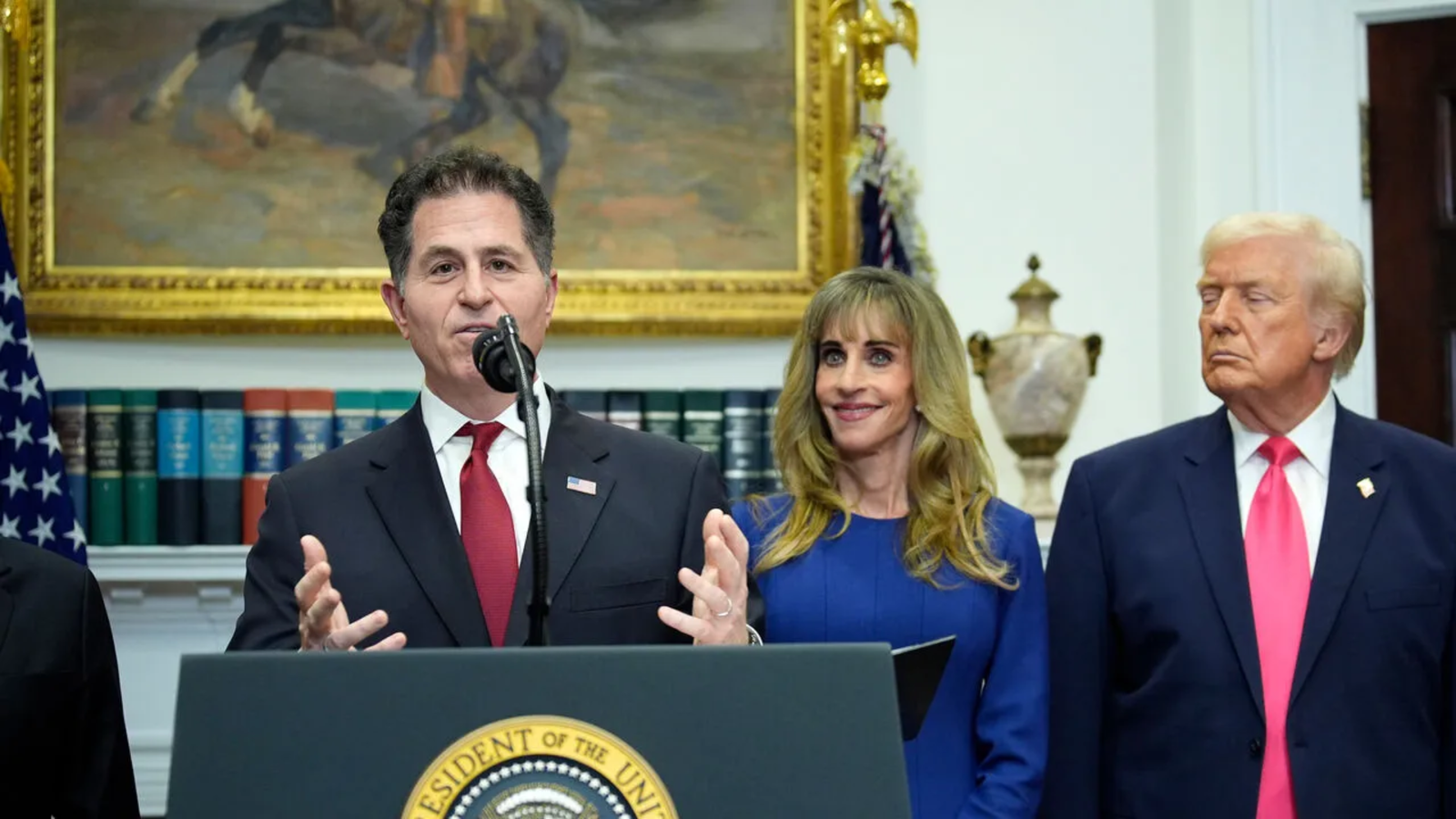
Launched as a four-year pilot from 2025 to 2028, Trump Accounts aim to build wealth for the next generation amid rising costs for families. With a huge $6.25 billion boost from philanthropists Michael and Susan Dell announced on December 2, 2025, even older kids might snag extra funds. Head to IRS.gov or Treasury.gov for forms and updates.
What Are Trump Accounts and the $1,000 Baby Benefit?
Trump Accounts are tax-advantaged savings plans (meaning your money grows without extra taxes) set up just for kids under 18. They’re like a mix of a retirement account and a college fund, but focused on young people. The big perk? The government seeds it with $1,000 for newborns—no strings attached upfront.
This “baby bonus” is a one-time deposit from the U.S. Department of the Treasury into your child’s account. It’s part of a push to encourage saving and investing early, harnessing compound interest (where your money earns money on itself over time) to turn that $1,000 into much more by adulthood. Originally called “MAGA Accounts” (Money Accounts for Growth and Advancement), they got renamed to honor the president. The goal is to give every American kid a shot at financial security, especially as family costs like childcare and housing climb.
Why This Benefit Was Created
President Trump pitched it as a “pro-family” move during a June 2025 White House event, saying it gives kids a “big jump on life.” With birth rates dipping and wealth gaps widening, the program promotes long-term growth. Experts note it could help close the racial wealth divide if more low-income families join, though some say the rules favor those who can add extra savings. The Dell donation supercharges it, potentially funding $250 grants for 25 million kids born before 2025 in lower-income areas.
Who Qualifies for the $1,000 Baby Benefit?
Good news: Almost every U.S. family can grab this. The benefit is universal—no need to prove low income or struggle. Key rules:
- Baby’s Birth Date: Born between January 1, 2025, and December 31, 2028.
- Citizenship: The child must be a U.S. citizen with a valid Social Security Number (SSN).
- Parent Requirements: At least one parent or guardian needs an SSN with work authorization. Undocumented parents might miss out if they can’t provide this.
- Age Limit for Accounts: Open anytime before the child turns 18, but the $1,000 is only for newborns in the window.
Older kids (under 18) can still get a Trump Account, but no government seed money—though the Dell grant might apply in select ZIP codes with median incomes under $150,000. About 3.6 million babies yearly could qualify, reaching 14 million over four years.
Quick Eligibility Checklist
To see if your family fits:
- Is the baby a U.S. citizen with an SSN? Yes/No.
- Born in 2025–2028? Yes/No.
- Can you file taxes naming the child as a dependent? Yes/No.
- For older kids: Check your ZIP code for Dell grants via Invest America.
If yes across the board, you’re set!
How Do Trump Accounts Work After the $1,000 Deposit?
Once claimed, the account invests the money (think stocks or bonds) to grow tax-free. Parents or guardians can add up to $5,000 yearly pretax—deductible from your taxes like a 401(k). Earnings compound over time; a $1,000 start at 7% average return could hit $5,000+ by age 18.
Withdrawals start at 18, but with limits:
- Ages 18–25: Up to 50% for education, home down payment, or small business startup.
- Age 25+: Full access, tax-free if used right; penalties (10% + taxes) for other uses.
No emergency withdrawals without fees, so it’s best for long-term goals. Compared to 529 plans (education-only), this offers more flexibility but stricter early rules.
| Feature | Trump Account Details | Compared to 529 Plan |
|---|---|---|
| Initial Deposit | $1,000 government seed (2025–2028 babies) | None—parent-funded |
| Annual Contribution Limit | $5,000 pretax | $18,000 (2025 limit) |
| Tax Benefits | Growth tax-deferred; qualified withdrawals tax-free | Similar, but education-focused |
| Withdrawal Rules | Limited until 25; penalties for non-qualified | Flexible for education; penalties otherwise |
| Best For | Home, business, education | College/education only |
This table shows why Trump Accounts shine for diverse goals.
How to Claim Your Child’s $1,000 Baby Benefit
Claiming is straightforward—mostly tied to taxes. Steps:
- Get the SSN: Apply for your baby’s Social Security Number at birth via hospital or SSA.gov.
- Open the Account: At any bank, credit union, or online via Treasury-approved providers. Or let the government auto-open if you file taxes with the child as a dependent.
- Elect the Benefit: File IRS Form 4547 (named after Trump’s terms) with your 2025 tax return (due April 2026) or separately. Mark the “pilot program contribution” box for the $1,000.
- Add Funds (Optional): Contribute up to $5,000 yearly; track via account statements.
- For Dell Grants: No extra form—automatic for eligible older kids in qualifying ZIP codes after signup.
Processing takes 4–6 weeks post-filing; funds deposit directly. Non-filers? Open manually and submit Form 4547. Questions? Call IRS at 1-800-829-1040.
Potential Drawbacks and Expert Tips
While exciting, experts flag issues: The $1,000 is small compared to needs (e.g., $10,000+ for college), and rules might sideline low-income families who skip taxes. Wealthier folks benefit more by adding funds. Tip: Pair with a 529 for education extras. The program adds $17 billion to the deficit over 10 years, per budget watchers.
FAQs on Trump Accounts and the $1,000 Baby Benefit
Q: Is the $1,000 automatic, or do I apply? A: Elect it via Form 4547 on taxes; auto-account if you file as dependent.
Q: Can non-citizen parents claim for U.S. babies? A: Yes, if one parent has SSN/work authorization.
Q: What if my child is born in 2029? A: No $1,000 seed, but open an account for contributions.
Q: Are there fees to open or maintain? A: No—government-backed, low-cost providers.
Q: How much could $1,000 grow to by 18? A: $3,000–$5,000+ at 5–7% returns; more with additions.
Conclusion
Trump Accounts offer a smart, government-boosted way to secure your baby’s future with a $1,000 starter fund that grows tax-free for home buys, education, or business dreams. Open to all U.S. citizen newborns from 2025–2028, it’s simple to claim via taxes or banks, with the Dell gift extending perks to older kids. While not a fix-all for family costs, it’s a step toward wealth-building that could compound into real security.
Act now: Get that SSN, file Form 4547, and start contributing. Pair it with budgeting or other aids for max impact. This pilot could inspire bigger family supports—stay tuned via IRS updates. Your little one’s financial adventure starts today.