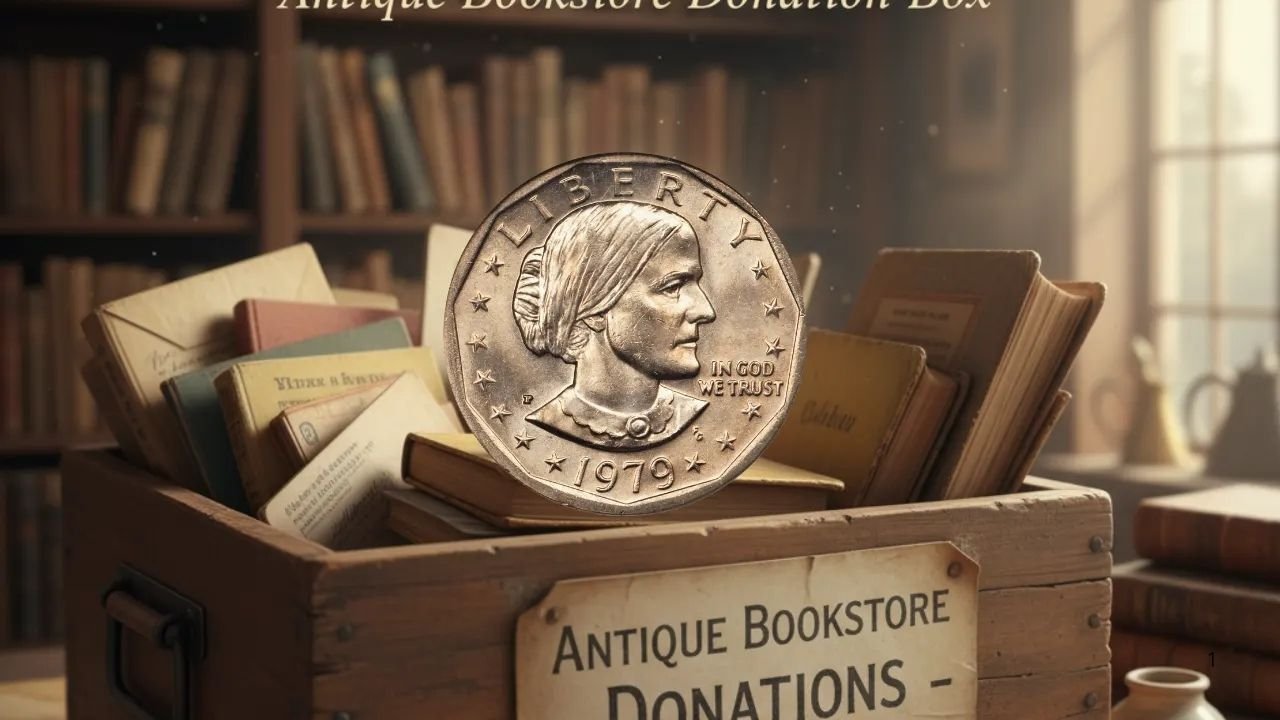
Sometimes, history hides in the most unexpected places. That’s what happened when a Susan B. Anthony Dollar surfaced in a donation box at a small-town antique bookstore. What seemed like an ordinary coin quickly became a viral sensation, capturing the imagination of collectors, history enthusiasts, and casual readers alike. This story reminds us that even everyday items can hold mystery and historical significance.
The Unexpected Discovery
While sorting through a donation box filled with old diaries, postcards, and trinkets, a bookstore staff member noticed a coin tucked between yellowed papers. At first glance, it looked like a typical Susan B. Anthony Dollar, but its well-preserved condition caught attention.
Curious, the staff posted a photo online asking for opinions. Within hours, the post went viral, with thousands weighing in on the coin’s potential value and the story behind its mysterious appearance.
Why the Susan B. Anthony Dollar Draws Collector Interest
The Susan B. Anthony Dollar was first issued in 1979 to honor the women’s rights pioneer, making it one of the first U.S. coins to feature a real woman from history. However, its close resemblance to quarters caused circulation confusion, limiting its minting period.
Collectors value these dollars for several reasons:
- Short Minting Period: 1979–1981 coins are relatively scarce in high-grade condition.
- Unique Varieties: Certain coins, like the 1979-S Type 2 or 1981 proof issues, are highly sought after.
- Condition and Preservation: Coins with minimal wear and sharp details fetch higher interest.
- Historical Significance: Coins honoring key figures like Susan B. Anthony hold cultural importance.
The bookstore coin wasn’t officially verified as rare, but its appearance in a donation box created widespread fascination.
Why the Story Went Viral
The coin’s appeal was less about monetary value and more about mystery and history. Questions such as:
- Who placed the coin in the donation box?
- Was it a keepsake, a forgotten gift, or simply overlooked?
…fueled online discussion. Many users shared personal anecdotes about coins they discovered in unexpected places, connecting communities through shared nostalgia.
Thrift Stores and Antique Shops: Hidden Treasure Hotspots
Antique bookstores, thrift shops, and donation centers often receive items with unexpected historical or collectible significance. Coins have been found in:
- Old books and diaries
- Purses and wallets
- Donation boxes and storage containers
The viral Susan B. Anthony Dollar highlighted that ordinary locations can sometimes reveal extraordinary finds.
Tips for Coin Enthusiasts
- Check Old Donations: Inspect pockets, boxes, and books when sorting through old items.
- Look for Rare Varieties: Certain mint marks or proof issues increase a coin’s collectible value.
- Assess Condition Carefully: Well-preserved coins are more valuable than worn examples.
- Avoid Cleaning Coins: Cleaning can damage surfaces and reduce value.
FAQs
Q1: Why did this coin gain so much online attention?
A: Its unusual discovery location and historical significance made it a compelling story.
Q2: Can Susan B. Anthony Dollars be valuable?
A: Yes, particularly rare varieties like the 1979-S Type 2 or some 1981 proof coins.
Q3: Why are these dollars often mistaken for quarters?
A: Their size and color closely resemble U.S. quarters, which caused confusion in circulation.
Q4: Are collectible coins commonly found in donation boxes?
A: Yes. Coins hidden in books, boxes, or old household items sometimes appear during cleanouts or donations.
Q5: Was this coin officially rare?
A: No formal rarity was confirmed. Its intrigue came from the mystery and story behind the find.
Conclusion
The discovery of a Susan B. Anthony Dollar in a bookstore donation box shows that history and intrigue can appear in the most ordinary places. While most coins may hold only face value, rare varieties and well-preserved examples can spark fascination and sometimes significant collector interest.
Whether you are a seasoned collector or just curious, this story encourages a closer look at old coins, donation finds, and forgotten treasures — you never know what surprises could be hiding in your own home.